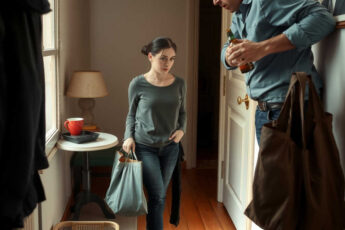
Are you planning to move out, Blythe? her mother asked, leaning in the kitchen doorway, a mug of tea in hand, her tone a mix of indifference and barelyconcealed disdain.
What do you mean move out? Blythe glanced away from the laptop warming her knees. Mum, I live here. I work.
You work? her mother repeated, a crooked smile flickering across her face. So youre just sitting online, writing poems? Or articles? Who even reads that?
Blythe snapped the laptop shut. Her heart clenched. It wasnt the first time shed heard her work dismissed as not real, but each accusation still felt like a spit in the face.
She tried hard. Freelancing wasnt easy endless revisions, tight deadlines, earlymorning drafts, clients demanding yesterdays work and often paying late
I have steady orders, she sighed. And I earn enough to pay the council tax and the utilities.
Nobodys asking you for anything, her mother waved off. Just the way it is, Blythe. Youre an adult, you understand. Tom and Olivia are moving in with their two kids. Their flat is cramped, you know how it is.
And what about me? Am I not a family? Blythes voice trembled, breaking through the hush.
Youre on your own, Blythe. Youre your own support. They have children, a family. Youre clever and independent. Youll find a place to live, maybe even a proper job.
People work from nine to five, not pulling allnighters on a laptop.
Blythe stayed silent, a lump rising in her throat. Explaining seemed pointless; her mother never grasped what she did. Shed never asked, What are you writing? Where can I read it? Only criticism, patronising looks, and the occasional, Youd be better off as a shopassistant.
Alone. The word rang in her ears like a verdict, a reason to erase her from the flat, from the family, from the home.
When her father came home, the conversation resumed, now with him, her mother, and herself sitting like a courtroom.
Tom and his wife have achieved a lot, her father began, sinking into his chair. Both work, two kids.
And you youre not lazy, Blythe. Youre earning, even if its from home in pajamas! I pay for food, for the bills, Im not a burden on you!
Youve missed the point, he cut in. Its not about money. Its about need.
Tom has two children, you hear? One is only a year and a half. They need this flat. Its hard for them.
So its easy for me?! Blythe snapped. You think I have no difficulties! Im twentyeight, no partner, no kids. Just a job you refuse to acknowledge!
They exchanged glances as if she were a nuisance, as if her words were whimsy, not pain.
Youre a strong girl, her mother said sadly, shaking her head. Youll manage. Just look at Tom and Olivia they never even think
Do I even have time? Blythe thought, but said nothing. She had no strength left.
What am I supposed to do? she asked hoarsely. Im not asking for money or help, just a bit of space, a bit of understanding.
Well you could find a rented room, her mother offered tentatively. Everyones in flats these days. Youre not officially employed, so you have no tenancy rights.
You hear yourselves? Blythe shouted.
She couldnt recall how the evening ended, only that shed sat on the windowsill staring into the dark courtyard, rain pattering against the glass like silent tears.
The next morning the hallway buzzed with the clatter of suitcases and raised voices.
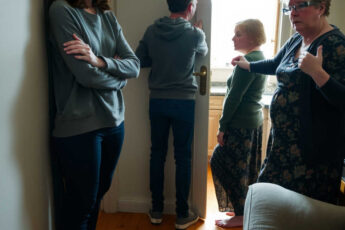
Blythe, were putting Toms things in the cupboard for now, her mother said without looking at her. Theyre moving in, you know.
She understood. She had understood from the start. Living with that knowledge was disgusting.
Blythe, everythings decided, her mother said, as if asking for the salt at dinner. Plain, routine, without a hint of feeling.
So youre not asking, not suggesting youre just imposing a fact?
Whats there to ask, Blythe? Youre an adult now. Figure it out yourself. Not in a nursery.
And this is temporary? her father interjected. Until the grandchildren leave.
Right, temporary. For a couple of decades, until the grandchildren grow up, her mother retorted, rolling her eyes. You always take things literally.
Were not your enemies, her father said. But family isnt just you.
Surely not just me, Blythe replied bitterly. Everythings for Tom. And Im just a ghost on the couch, invisible.
Youre being dramatic, her father said, stepping back into the doorway. Toms a son, after all. And youre strong. Youll understand.
I dont want to be strong. I just want to be needed.
The next day she inspected a flat she could rent. Twenty minutes from her current home, the world changed: a grim stairwell with rusted doors, a nosy neighbour who muttered about cats howling at night.
The flat looked like a thriftshop museum: peeling rosepatterned wallpaper, a carpet glued to the wall, a stool missing a leg.
The landlady, a thin woman with a smoky voice, asked, Where do you work?
Im a freelancer, writing articles online, Blythe said.
Online? Whats that?
On a computer. I have regular clients, I work through agencies.
So you stay at home. Just make sure no guests come over, and run the washing machine once a week. Electricitys pricey these days.
Got it, Blythe nodded, feeling everything inside her collapse.
That evening her mother texted a picture of a tiny baby cot theyd assembled. Look how cute it is, isnt it?
Yes, very cute, Blythe thought.
What are you thinking? her father asked over dinner. Blythe returned with her last belongings sneakers, a tripod, a blanket her grandfather had given her.
Im renting a room for now, she replied flatly. Maybe Ill move again later.
Right, he said. And you should find a proper job, in an office, with colleagues, a schedule
Dad she sighed, exhausted. My clients are from all over. I manage a blog for a company with a millionpound turnover. My articles reach ten thousand readers a day. Yet you both refuse to see it.
Whos going to verify that, Blythe? Toms got clear accounts, salaries. Yours is a fog. Write ten articles, then what?
Then Ill keep living, however I can, without you. Thanks for teaching me not to wait for anyones help or approval.
He wanted to say more, but Blythe slipped the key into her pocket and headed for the door.
Blythe her mother called softly. We didnt mean any harm.
I know, she whispered, pausing on the threshold. Its just… youre being foolish.
She left.
The new flat smelled of mothballs, the curtains were faded greybeige, the walls a dull olive. Blythe curled onto the bed, hugging her knees, thinking how easily shed been written out. No shouting, no drama just find somewhere else. Youre strong. Youre alone, so you dont count. Maybe it was for the best. Yet her chest felt hollow, aching.
I havent broken, she whispered into the darkness. Ive just survived.
She began waking before her alarm, eyes opening to halfdarkness, lying still, staring at the ceiling. The hallway outside creaked, an elderly neighbour complained about the youth, the scent of old carpet pressed down like a slab. Worse was the thought that the family home was no longer hers, that her parents now saw her as a weight.
She kept writing, silently, fiercely, night after night, editing, meeting deadlines. Money came, clients praised her, but inside the wound remained.
One evening a message pinged from her younger brother: Hey, when will you finish the paperwork? The flats ours now, so we dont have to split it later. Just making it fair.
She stared at the screen, feeling betrayed. Fair? she muttered. The flat is in our parents name. Im registered there. Youre trying to push me out?
He replied quickly, Dont be a drama queen. Its just to keep things tidy. You said you were leaving. Why do you need the registration? Were living here now.
Fine, live you say, Tom, she hissed. Thank you seems foreign to you.
On a weekend she went to the park, coffee in hand, sat on a bench, opened her laptop. Words wouldnt flow, but thoughts did loud, bitter. She recalled dreaming of working in an editorial office, writing big pieces, inspiring, explaining. Shed poured sleepless nights into that dream, yet never heard a single Were proud of you from her parents.
For them, Tom was the hero, the husband, the proper man. She was the unfinished daughter, unlucky.
That night Aunt Valerie called. The sister of her mother, always the voice of reason.
Blythe, Im so sorry for whats happened, Valerie said. Youre brilliant, youve held on without any support, and you work. And they?
The flat isnt a cage to be locked away. Your work is real. The world runs on people like you.
Tears slipped down Blythes cheeks, relief washing over her. At last someone in the family saw her.
Thank you, Aunt Valerie, she whispered.
Hold on, love. Remember: family isnt just those who share your blood, but those who stand by you in spirit. Let the others live with their conscience.
A week later Blythe decided to move to another city. She landed a role as a content editor at a large firm, flexible hours, a decent salary. The online interview went smoothly; nobody asked about the realness of her work. Everyone admired her portfolio.
When she told her mother she was leaving, the reply was a mutter: Well, if youve decided. Just dont be angry. We were only being kind
Kind? she thought. You drove me out, silently, without choice.
You always exaggerate, Blythe. We meant no harm.
Which is exactly what you always mean.
She didnt raise her voice. She didnt shout. She spoke plainly. Her mother, frustrated, hung up.
The day before she left, Blythe stood in the hallway of the old flat, pressed her back against the wall, closed her eyes.
Was everything shed built now gone? No, she thought. Ive gained more: freedom, myself.
She departed quietly, without a fight, but with a new breath of life.
Blythe arrived in the new city with a single suitcase, her laptop, and a feeling of rebirth. Her studio flat overlooked a park, bright, though sparsely furnished. Every cup, every coatrack, every evening of calm felt hers.
The first week felt cinematic. She worked from a nearby café, sipped coffee, watched passersby, and took her time. No one nagged, no one said, You should be doing this, not that.
One morning she smiled at her reflection in a shop window genuine, unforced.
A month later she was invited to the office to meet the team. The atmosphere buzzed with people, projectors, lively debates over whiteboards, coffee in thermoses.
You seem like one of us, Blythe, the manager said. Very engaged, mature. Did you have a lot of experience before?
Blythe paused. She could have recounted the cramped flat and the mothers remarks, but she simply smiled.
Experience? Yes life experience, very concentrated.
It shows. Your writing grabs people, its raw, it has an edge.
Because I know what it feels like to be invisible, Blythe replied softly. And Im done with that.
One evening she received a long, rambling voice message from her mother. Blythe why havent you called? Weve had a tiff with Tom. He wants to sell the house to get a bigger mortgage. I thought he said he didnt want us to be owners. Things are messy How are you? We miss you
Blythe listened, again and again, then realized the sting had faded. It hurt, it scared her, it disgusted her. Now there was no anger, no desire for revenge, just a steady acceptance: she owed nobody anything.
Months passed. She adopted a cat from a shelter, naming him Coconut. He was as white as the first calm morning in her new flat. She bought a cosy desk, hung a world map with pins marked Someday.
She started a blog, writing not just for clients but for herself. Readers commented, Thats me, Thank you for speaking to my soul. She realised that those who truly listen will always appear, even if at first theres only silence. Even if family never heard her, the world did.
One night she dreamed of her childhood home, the lilaccoloured robe her mother wore, the scent of pancakes. She woke with a lump in her throat, but not in tears.
She simply got up, brewed coffee, opened her laptop, and typed the headline:
When the ones you love think youre nothing, become everything to yourself.
Below it she signed:
Author: Blythe Harper. Journalist. Freelancer. Strong. Free. Alive.
And with that, she understood the lesson that had guided her all along: you cannot control how others see you, but you can decide the value you place on yourself.