The case lay at the doorstep, and the pot on the range still murmured with beef stew and buttered rollsjust the way he liked it.
Eleanor dabbed the dry dishes with a towel out of habit, her eyes drifting to the familiar nape of his neck, to the little mole behind his ear that she had kissed a thousand times. He seemed a stranger now.
Off on a business trip? she asked.
No, Eleanor. He swallowed the word; it hung in the kitchen like the scent of ash.
Where to?
Somewhere else.
The towel slipped from her fingers.
Ian
Eleanor, lets spare the theatrics. We both know its over. Ive finally made a decision; you havent.
Over? she laughed, nervous and frightened. Tomorrow is our anniversary. Eighteen years.
Exactlyeighteen years of the same stew.
The blow landed right in her chest. She gasped.
I gave up my PhD for you. I could have been
You could never have been anyone, he said, the sort of smile people wear when theyre sorry. A restorer. Who needs ancient icons and dust these days? I gave you a life, Eleanoran apartment, a car, a sea holiday every year.
I gave?
Fine. The flats yours, but Im no beast. Live here a month or two, then well sort things out.
She clutched the back of a chair, her fingers blanching.
Who is she?
Does it matter?
Who?
He glanced at his watch.
Lydia, thirtytwo. Shes alive, Eleanorgoes to the theatre, skis, laughs. Youve become a housekeeper without even noticing.
Eleanors throat tightened.
Ian hefted the suitcase, turned to the door, and for a split second his eyes flashed not regret but irritation, like a master who abandons an old hound at the pound.
Dont fret. Thirtyeight isnt a sentence. Enjoy your freedom, Eleanor. Youve earned it.
The door shut. The stew cooled.
The first week she didnt cry. She wandered through the flat as though it were a museum of a life not her ownhis shirts, his toothbrush, an unfinished cup on the table.
On the eighth day Tess called.
Eleanor, you there?
The words broke her. She wept into the receiver so hard the neighbour downstairs knocked, asking if everything was alright.
Tes Im thirtyeight now. Im a hollow spot. Eighteen years Ive been cooking stew; I cant even recall the last time I held a paintbrush
What do you remember?
Anything?
You remember why you went into restoration?
Eleanor froze. The image rose unbidden: the National Gallerys West Hall, her nineteenyearold self standing before the Trinity altarpiece, tears streaming because people could create such beauty and keep it alive.
I remember.
Then fetch your paints from the loft. I saw them there five years ago.
She found the paints in an old shoe box beneath faded curtainsdry, halfruined, but the brushes were intact. They were the cheap, columnhandled ones shed bought on a scholarship, surviving by skipping lunches.
She sat on the loft floor and wept, but this time the tears were soft, quiet.
The next morning she enrolled in a paid course at St. Giles College, spending the last of the money she had set aside for a holiday she would never take.
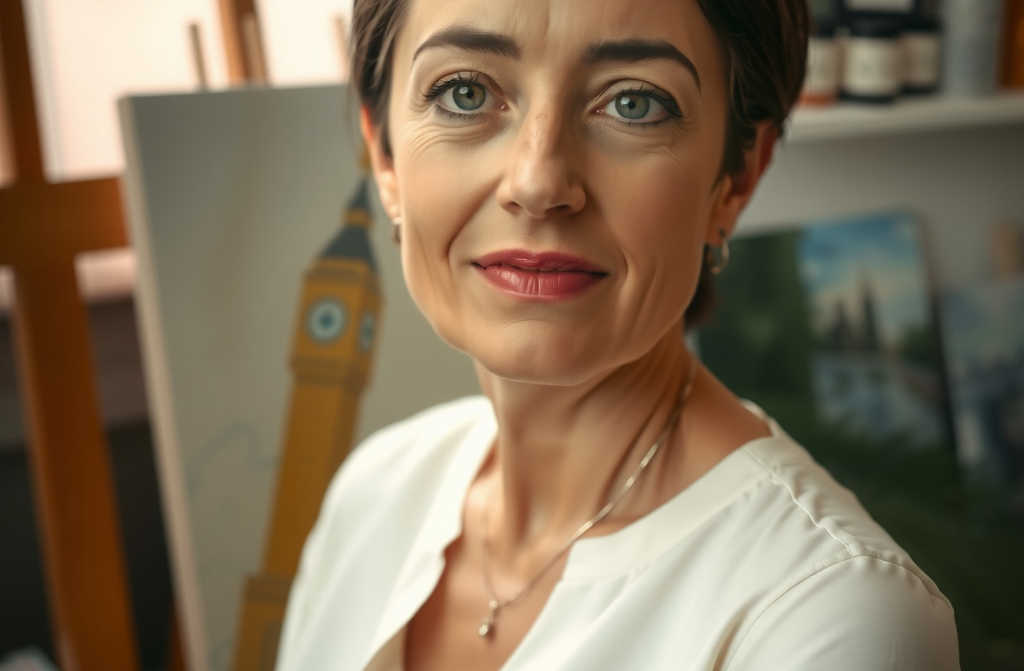
She visited a barber and cut off the long braid Ian had forbade her to touch for two decades. In the mirror she saw a stranger with sharp cheekbones and fierce eyes.
Well, hello there. Long time no see, she muttered to herself.
Three months of study followedmuseums, lecture notes, latenight sketches that grew bolder as her hands remembered the old craft.
In February Tess called again.
Eleanor, a thing came up. Remember Arthur Llewelyn, the fellow who works with Mick? His mother died, and he inherited an old cottage in Kent. Full of icons, a whole shelf. He wants to throw them away
Dont you dare! Eleanor jumped up. Leave them alone!
I was thinkingmaybe you could have a look? Hell pay.
Ill come tomorrow.
The icons were in dreadful shapeeight pieces blackened, flaking, cracked. Eleanor leaned over them, her heart thudding as though it would burst from her ears.
This one, she whispered hoarsely, I need to examine it under a lamp, but Im almost sure its seventeenthcentury northern work. Very valuable.
Arthur raised an eyebrow.
How much?
Restoration is hard to price, but the resale could be substantial.
Can you do it?
Eleanor stared at the faint faces emerging from soot. It was a chance, the only chance.
Yes.
The job took half a year. She rented a tiny studio on the outskirts, where the smell of solvents was unbearable. She survived on crusty bread and butter, lost twelve pounds, wept twice from despair when the work nearly failed, and once called her former professor at four a.m.; the saintly woman arrived an hour later with a thermos of tea.
At last the first icon was freed, radiant.
Arthur stared at it, speechless.
Its a miracle.
Its not a miracle. Its work.
He paid double. Within a week his friend called, then a friend of that friend, then an art dealer from Mayfair. Wordofmouth spread faster than any broadcast.
A year passed, then another.
Eleanor moved into a modestly sized flatstill a rental, but herson Regents Park, with a studio and a sixmonth order book. She restored pieces for two monasteries and a private collection owned by a wellknown entrepreneur, whose name appeared in the business pages with a hint of awe: Sir David Fairfax.
Sir David visited the studio himself, never sending couriers. Hed sit by the window, watching her work, occasionally bringing coffee, sometimes nothing at all.
Youre a strange client, Sir David, she said.
Im a strange man. May I stay a while?
By all means.
He was fortyfive, a widower, with tired, pianistlike handsthough he never played piano, he negotiated in the market of mergers.
Nothing passed between them, yet Eleanor sometimes caught herself waiting for his visits.
One evening she didnt feel like going anywhere, but Tess insisted she attend the gallery opening on Mayfair Streetan event she could not miss, with clients among the glittering crowd.
Eleanor slipped into a simple black dressher first from a reputable designer, bought a month agopaired with pearl earrings, a gift from a grateful patron, and shoes with heels she had barely used.
Sir David arrived himself, no chauffeur.
You look luminous today, he said.
She laughed, genuine, for the first time in ages.
The hall buzzed with conversation, champagne flowed. Eleanor lingered before a painting by Constable, pretending to study it, merely catching her breath.
Eleanor?
She turned. Ian stood there, grayhaired, bags under his eyes, a glass in his hand that trembled slightly. Beside him a slender woman with a sour expression clung to his arm like a hanger.
Ian, were bored, lets go the woman, Lydia, urged.
Wait, Lydia, he said, eyeing Eleanor with a puzzled stare.
You you changed, he murmured.
Time does that, she replied.
Lydia tugged at his sleeve. Whos this?
This my exwife.
Lydia scanned Eleanor from shoes to earrings, her face tightening.
Delightful. Ill be at the bar, she said, clicking her heels away.
The two were left alone amid the crowd.
What brings you here? Ian asked.
Im a restorer. Clients, commissions.
A restorer? he blinked. Seriously?
Yes, seriously, she said.
He moved closer, the scent of brandy on him. Eleanor I need to tell you something. I was a fool.
She stayed silent.
This Lydia is a nightmare. She cant even fry an egg. All clubs, resorts, restaurantsshes tired of everything. Im fed up, Eleanor.
I can imagine, he said.
Im filing for divorce. Its already in progress. He grasped her hand. Lets try again. You loved me, you always have.
Eleanor looked at his fingersonce hers, now foreign. She gently freed her hand.
Ian, do you remember what you said as you left?
He frowned. You said enjoy your freedom.
Ian, I didnt want to
Wait. I want to thank youno irony. He stared, bewildered.
You really gave me freedom. I could not unwrap it for years, like a gift I was scared to open. When I finally did, I found myself insideme, buried for eighteen years.
Eleanor he began.
So thank you. And no. Im not coming back.
But why? I have a flat, money, I could support you
I support myself, Ian. Long ago.
At that moment Sir David entered, calm, bearing two glasses.
Eleanor, are you ready? The collector from Edinburgh is waiting.
Yes, Sir David. She took his hand.
Ian watched them, his gaze fixed on her straight back, on the respectful bow of the welldressed man.
Lydia muttered something at the bar, unheard.
Eleanor turned at the door, gave a simple wavemore a farewell to an old acquaintance than a triumph.
The collector turned out to be a portly gentleman with childlike blue eyes, Boris Whitmore. He bowed, kissed her hand, and said, Madam, sir David has spoken of your wonders. I did not believe him, but now I see you are no fraud.
Did you purchase the Madonna of Mercy from the eighteenth century? he asked.
Eleanor nodded. Shed spent half a year on that painting.
Yes, I bought it. I want more. I have a delicate piece, perhaps we could discuss?
They moved to the window. Sir David lingered near a column, unintrusive yet present. Eleanor felt his warm back, oddly comforting.
She caught Ian still standing before a Constable, alone. Lydia had vanished, perhaps after a quarrel. He glanced her way, but she no longer turned.
Boris whispered, I have a 16thcentury York icon, its provenance muddied. Its been taken abroad, sold in Paris, then New York, and now resurfaced. Restored in the 19th century, its been altered many times. I believe underneath lies a masterpiece.
What, stolen?
Noexported in the 1920s, legally bought at auction two years ago. I want it returned home, as it was before the 19thcentury meddling.
Why?
He fell silent. My grandmother was from York. Her father, a vicar, was executed in 1937. Ive hunted this icon for forty years. Now Ive found it.
Eleanors eyes widened. Ill take it.
The work on the York icon wouldnt begin for another month, pending paperwork, but life pressed on.
On Monday morning she found an unmarked envelope slipped under her studio door, a note in a shaky hand:
Eleanor, we must speak. Not on the phone. Wednesday, seven oclock, by the café on the corner of my workshop. If you dont come Ill understand, but please, I beg you. I
She stared at the paper, tore it, smoothed it, tore it again.
Wednesday arrived. She walked to the café, unsure why she wentperhaps to close a chapter, not the glossy one from the gallery but the real, domestic one.
Ian was already there, a cup of tea untouched before her. He stood, awkward, when she approached.
Thank you for coming, he said.
I have twenty minutes.
Ill be quick. He grasped the cup. Eleanor, without Lydia, without an audience I said the wrong thing at the gallery. I should have said?
What should I have said?
He lifted his eyes; genuine fear flickered the kind that comes when a man knows hes done something irredeemable.
I messed up, and I cant ever tidy it up.
Yes.
Whatyes? she asked, voice steady.
Yes, I messed up. She said it plainly, not as accusation but as fact. Why call?
He fell silent, then produced a velvet box, worn at the edges. Eleanor recognized it instantly.
Grandmothers ring, she whispered.
Remember?
The small emeraldset band Ian had given her at their engagement eighteen years earlier. Hed asked for it back a few years later for safekeeping for future childrenchildren that never came. The ring stayed with him.
I want to give it back. Its yours, rightfully.
Just take it. Not a proposal. I understood then at the galleryhow you were with Sir David his voice cracked. Do you love him?
She paused, listening to the honest thrum of her own heart.
I dont know yet. Time will tell.
Ian nodded, heavy.
For the first time in her life, Eleanor saw him not as a master, not as a betrayer, but as a tired man whod lost the most important game. It hurt, but it was human.
Its okay, I wont take the ring. Maybe give it to my niece, or donate it to a church.
One thing Ill say. All right?
Alright.
Thank you for leaving.
He looked baffled.
If you hadnt left, Id have been boiling stew till I was sixty, hating you in secret, hating myself. Now I dont hate you, nor myself. Thats rare.
He fell silent. A single tear rolled down his cheek, unblushed.
Take care of yourself, Eleanor said, pulling her coat on. At the doorway she turned back, saw him slumped, shoulders twitching.
She stepped out into the night, wind striking her facecold, smelling of leaf litter and faint smoke.
She walked down the boulevard, tears soft and steady, not from sorrow nor triumph, but from the relief of a long, painful chapter finally closing cleanly, without splinters.
Deep inside, a tiny splinter of doubt lingered: had she been too hasty? Could eighteen years have meant something after all?
She reached the underground station, paused for a breath, and decidedno, it hadnt been in vain.
She descended the escalator.
The York icon proved more complex than shed imagined. Three layers of overpaint: the deepest from the 16th century, then an 18thcentury addition, and a late19thcentury veil. Each peeled away millimetre by millimetre.
She laboured almost a year. During that time Sir David proposed in Aprilnot with a ring or a restaurant, but over tea in her tiny kitchen.
Eleanor, will you marry me?
Exactly like that?
Why complicate? Were not twenty any more. We know what we want.
What do you want, Sir David?
Youmy life, for as long as we have left. If youre not ready, Ill wait. Patience is my virtue.
Give me until autumn.
Until autumn, then.
He took it well; his patience was genuine.
In May Tess told her that Ian had moved to the countryside, sold his London flat, bought a house in a village, and divorced Lydia without drama. He now lived with a widow who cooked him soupsquiet.
Eleanor smiled at the news; at least he had some peace.
In August the decisive moment came. She removed the last layer from the York icon, revealing the face of the Saviorstill, stern, painted by a hand five hundred years ago, bearing the scars of wars, revolutions, exile, and auctions, now returning home to the grandson of the priest shot in 1937.
She called Boris Whitmore, waking him.
Boris, Im sorry its open.
Silence fell on the line, then the soft, distant sound of an elderly man sobbing from his home on the Isle of Dogs.
Madam, he finally whispered, voice trembling, Im on my way now. I cant wait until morning.
He arrived at seven a.m., unshaven, in a rumpled suit, bearing a box of sweets as if he were heading to kindergarten.
He entered the studio, knelt before the icon. Eleanor turned away, giving him spaceto be with his grandmother, his greatgrandfather, the weight of a history that converged in her little Regents Park workshop.
September saw Eleanor walk down the aisle.
The wedding was modest. Twenty guests, includingShe smiled, lifted her glass, and whispered to the quiet night that at last, after decades of simmering stew and shattered vows, she had finally found the taste of her own peace.