The day we laid my husband to rest the rain fell in a soft, endless drizzle. The tiny black umbrella I clutched could not shield the hollowness inside my chest. I held a sprig of incense, stared at the freshly dug grave where the earth was still damp, and my hands trembled. My companion of nearly forty yearsmy Haroldhad become a handful of cold soil.
The funeral passed in a blur; there was no room for lingering grief. My eldest son, Edward, in whom my late husband had placed his whole trust, seized the house keys without hesitation. Years before, when Harold was still strong, he had said, You grow old, I grow old; lets put everything in our sons name. If its all his, hell be responsible. I never objected. What parent does not love their child? So the house, the deeds, every document bore Edwards name.
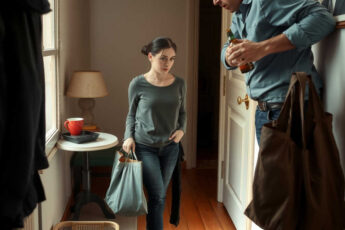
On the seventh day after the burial, Edward invited me for a walk. I had not imagined the journey would feel like a blade through flesh. The car halted at the edge of a lane near a coach stand outside York, beside a modest offlicence. Edward, his voice as cold as the rain, said,
Get out here. My wife and I can no longer look after you. From now on you must fend for yourself.
My ears rang, my sight clouded. I thought I had misheard, yet his eyes were firm, as if he were eager to push me away. I sat on the roadside, beside the little shop, with only a sack of clothes. The house where I had lived, cared for my husband and raised my children, now belonged to him. I had no right to return.
People say, When a husband dies, a mother still has her children. Yet sometimes children feel like strangers. My own son had tossed me into a corner. Edward did not know that I was not entirely bereft. In my pocket lay a battered notebooka bank ledgercontaining the savings Harold and I had tucked away over a lifetime, more than three hundred thousand pounds. We had hidden it from our children, from everyone. Harold used to mutter, People are kind only while you hold something of value.
That day I kept my mouth shut. I would not beg, nor would I reveal my secret. I wanted to see how Edward and the world would treat me.
The first night, abandoned and shivering, I took shelter under the awning of a tiny tea stall. The proprietor, Aunt Maggie, took pity on me and poured a steaming cup. When I told her of my loss and of my children abandonment, she sighed,
These days you hear a lot of stories like yours, dear. Some children cherish money more than love.
I rented a modest room, paying its rent with the interest from my account. I was careful never to let anyone know the size of my nest egg. I lived simply: worn dresses, cheap bread and split peas, trying not to draw attention.
Many evenings I curled up on the creaking wooden bed, remembering the old house, the whir of the ceiling fan, the scent of spiced tea Harold used to brew. The memories hurt, yet I whispered to myself, as long as I breathe, I must carry on.
Gradually I adjusted to my new rhythm. By day I begged for work at the marketwashing vegetables, loading crates, wrapping parcels. The pay was meagre, but I cared little. I wanted to stand on my own feet, not rely on charity. The stallholders called me Mrs. Eleanor. They never guessed that each night, after the market shutters clanged shut, I slipped back to my rented room, opened my ledger, stared at the numbers for a heartbeat, and closed it again. That secret kept me alive.
One afternoon I ran into an old schoolfriend, Mrs. Dorothy. Seeing me in the modest lodging, I told her of my husband’s death and the hardships that followed. She took pity and offered me a job at her familys roadside diner. I accepted. The work was hard, but it came with food and a roof. It also gave me another reason to keep my savings hidden.
Meanwhile, news of Edward drifted to me. He lived with his wife and children in a grand suburban house, had bought a new car, and spent his evenings at the betting shop. A neighbour whispered, Hes probably already pawned the family land. I listened with a sting in my chest, but I did not reach out. He had left his mother at a coach stand; I had nothing more to say.
One dusk, while scrubbing the diners counters, an unfamiliar man entered. He was welldressed, yet his face was tight. I recognized him: a drinking buddy of Edwards. He fixed his gaze on me and asked,
Are you Edwards mother?
I nodded cautiously. He leaned closer, his voice heavy with demand,
He owes millions of pounds. Hes in hiding. If you still love him, help him.
A cold shiver ran through me. I managed a faint smile,
I am already poor. I have nothing left to give.
He left, angry, and his words lingered. I loved my son, yet his abandonment cut deep. He had abandoned his mother at a coach stop; now he faced his own reckoningwas that just?
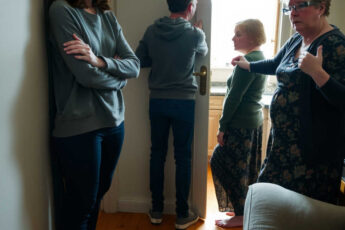
Months later Edward appeared, gaunt, exhausted, eyes rimmed with red. He fell to his knees and wept,
Mother, I was wrong. Im a wretched man. Please, save me this one time. If not, my whole family will fall apart.
My heart pounded. I recalled the nights I had wept in silence for him, the scene of his desertion. I also remembered Harolds final words, Whatever happens, he remains my son.
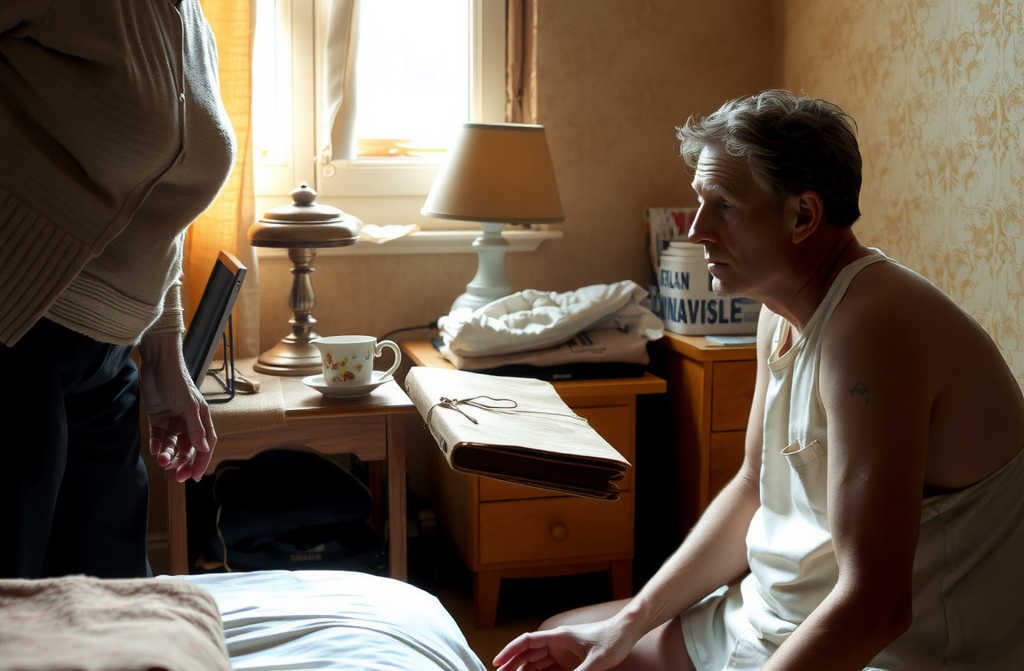
I stayed silent for a long breath. Then, slowly, I entered my small bedroom, retrieved the ledger with its three hundred thousand pounds, and placed it before Edward. My eyes were calm, yet steely,
This is the money your parents saved all our lives. I hid it because I feared youd squander it. Now I hand it to you. But remember: if you ever trample the love of your mother again, no amount of wealth will ever let you lift your head with dignity.
Edward took the book trembling, tears streaming like rain.
Whether he would change, I could not know. But as a mother, I had fulfilled my final duty. At last, the secret of the hidden savings surfaced, exactly when it was needed most.