Ive got to tell you about this mess thats been rolling around my head for ages. So, Im Stephen, 52, and Ive been through a marriage, a divorce, the usual bits of lifelesson baggage. Eight years ago I met Emma, shes 46, and I honestly thought Id finally stumbled on the calm, dramafree partner Id been hunting for. No personal boundaries or financial independence mumbojumbo, just the classic picture: bloke runs the ship, lady sits next to him, everythings simple.
We lived in my flat in Manchester it was always my place, Id drop hints about that all the time, just to remind her that I was the one providing the comfort. It worked fine, until I got this bright idea that, looking back, was the first crack in the whole thing.
Separate budgets.
I suggested it over a cup of tea, trying to sound all modern and fair, saying something like, Its transparent, each of us looks after our own money, no more wondering who put what in, no more whos paid more arguments. Emma, surprisingly, didnt put up a fight. She just nodded and said, Alright, lets give it a go.
Thats when I shouldve raised an eyebrow. When someone says yes too quickly, its not always sweet obedience sometimes theyve already decided everything on their end, you just havent caught up yet.
The first few months were smooth. We split the grocery bill, the council tax, the utility costs each paying our own slice. I felt a warm glow, thinking finally everything was tidy, honest, no one feeling like they were being used. Honestly, Id been a bit peeved before about paying a bit more, even though I tried not to show it a bloke is supposed to be generous, but within reason.
And then the freedom part kicked in.
About six months in I started noticing a change in Emma. Outwardly she was the same cooking, cleaning, looking after the place but there was a new calm confidence about her, a sort of quiet independence that made me a little uneasy. I was used to her leaning on me for decisions, now she was making them on her own.
She stopped asking, stopped checking in, stopped agreeing on the little things. At first it was just the odd thing a new handbag, a pair of shoes, a splurge that, to my eyes, seemed unnecessary. I kept wondering where the money was coming from because, remember, we were both supposed to be saving for a summer holiday together.
We had that plan: save up, fly somewhere, enjoy a proper break. I thought Emma would keep to it, but guess what? She booked tickets on her own.
One evening she says, deadpan, Ive bought the tickets.
Im like, Tickets for what?
She answers, A fourweek seaside escape, with a friend.
My mind went blank. What about me? You said it was a waste of money.
She just shrugged, You said it was pointless to spend that much. These are my pounds.
I realised Id dismissed her suggestion to travel together months before, saying a cheap weekend in the countryside would be fine. Shed heard me, took it as a cue, and went off without a word.
Ive always thought of us as a team, that if one of us fell short, the other would fill the gap. But Emma saw it as a ledger, a proper accounting. When she told me she was off, I tried to argue we should decide these things together, that leaving me behind felt like well, like I didnt matter.
She looked at me, calm as ever, and said, You suggested a separate budget. Im just following the rules.
Thats when the trap Id built for myself snapped shut. In my head, separate budgets meant Id still call the shots and shed just tag along. In reality, it made her an equal partner and that equality came with rights, not just duties. I wasnt ready for that.
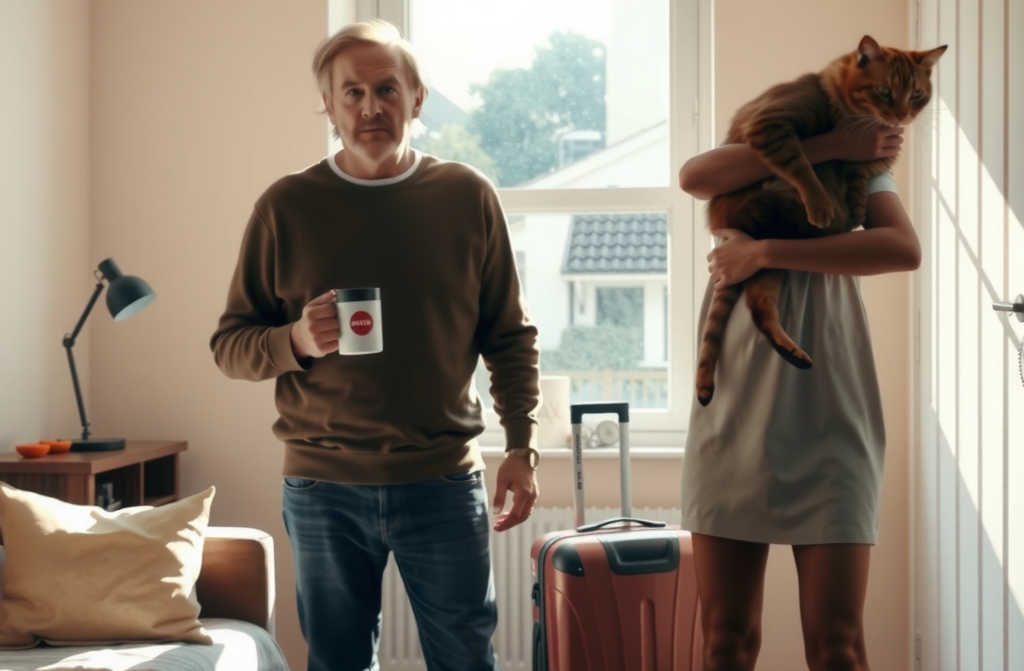
She left, took the cat, the house, everything, and suddenly my flat felt hollow, like a space that used to belong to me but now was just empty. She kept texting, sending sunny beach photos, telling me how relaxed she was. The worst part? She wasnt missing me. She didnt ask to come back, didnt feel guilty. Thats when I thought maybe the problem wasnt her at all, but me.
Its easier to blame her for going off the rails, for getting too much freedom, than to admit I wanted a tidy setup where she was independent only as long as it didnt upset my comfort zone. When her independence became real, I felt uncomfortable.
She returned a month later, tanned and tranquil, but a stranger in my own home. Were back under the same roof, but the old dynamics have vanished. We no longer bring up money, she doesnt either, but theres this invisible line between us now.
And the kicker? It wasnt the £2,000 holiday or the missing cash. It was watching equality in action, not just a nicesounding phrase, and feeling my grip slip. I wasnt prepared for that.
—
**A quick psychologists take:**
What youre seeing is a classic clash between the proclaimed equality and a hidden need for control. Stephen set up a separatebudget system as a fairness gimmick, but secretly expected the old hierarchy to stay intact his sayso while Emma just played along. When Emma took the rules literally and started acting independently, Stephen hit cognitive dissonance: outwardly equal, inwardly stripped of his authority. The result? Irritation, resentment, and attempts to reimpose the old structure through guilttripping.
True equality cant be halfbaked. You cant split the bills and still keep decisionmaking in one persons hands. If a partner is financially autonomous, theyll naturally become autonomous in other choices too where to go, who to go with, what to spend on. Stephens crisis isnt Emmas solo trip; its the collapse of the comfortable, onesided model he liked. Until he revises his expectations of a convenient woman, any push for genuine partnership will keep sparking internal conflict and disappointment.