12March2026 StMarys Hospital, Manchester
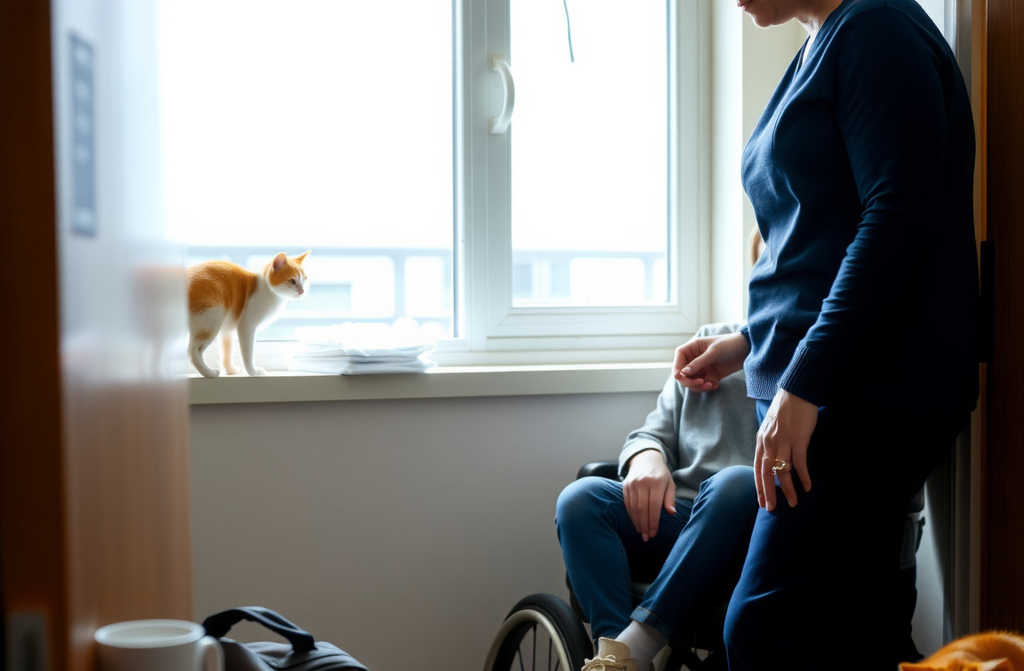
I sat in my electric wheelchair, staring through the dusty panes at the courtyard beyond. The ward window looked out onto the little inner garden that the hospital keeps for stafftiny kiosks, flowerbeds, but hardly a soul in sight. Winter had settled in, and the patients rarely ventured out for a walk. I was alone in my room. A week ago my neighbour, James Whitaker, was discharged and gone home, and the silence that followed felt like a cold draft slipping under the door.
James was a lively chap, always ready with a story or a joke, a real thespian whod been studying drama at the university before his illness. Hed been the only person who could make the hours pass without me feeling the weight of the walls. His mother would visit daily, bearing fresh scones, apples and a pot of jam, which James would generously share with me. When he left, the familiar warmth of that little home evaporated, and I felt more alone than ever.
My thoughts were interrupted by the matrons brisk voice. I turned to see the nurse assigned to my injections not the cheerful Sophie Id hoped for, but the perpetually sour, perpetually dissatisfied Lucy Harrington. In the two months Id spent here, Id never seen Lucy smile; her voice matched the sharpness of her frown, as gruff as a butchers cleaver.
Come on, get into bed! she barked, brandishing a syringe loaded with medication.
Resigned, I wheeled myself to the bed. Lucy moved with surprising agility, helping me lie flat and then flipping me onto my stomach with a flourish.
Strip off your trousers, she commanded. I obeyed, feeling nothing at first. She administered the injection with practiced ease, and in my mind I thanked her silently.
*How old could she be?* I wondered, watching her concentrate on the faint vein in my gaunt arm. *Probably retired by now, living on a modest pension, which makes her a bit sour.*
She finally found the needles path, a pale blue line barely visible, and I winced slightly.
Done. Was the doctor in today? she asked, already gathering her things.
No, not yet, I replied, shaking my head. Maybe later.
Dont linger by the window, she warned. Its draughty, and youll feel as dry as a biscuit. She left the room.
I wanted to snap back at her, but there was a strange tenderness behind her harsh words, a flicker of genuine concern that I hadnt expected from anyone. Im an orphan; my parents perished in a farmhouse fire when I was four. My mother, in a desperate act, threw me out of a shattered window just before the roof collapsed, saving my life at the cost of hers. The blaze claimed my whole family, and I ended up in a childrens home. I inherited my mothers gentle spirit and bright green eyes, my fathers tall frame and a knack for numbers, but the memories are fragmented fleeting scenes of festivals, a warm hand on my shoulder, a summer breeze.
I also recall a large ginger cat, once called Marmalade, that used to curl up on the hearth. Apart from that, the fire took everything, even my family album.
When I turned eighteen, the state allocated a modest flat in council housing on the fourth floor, a bright room I could call my own. Living alone suited me, though the loneliness sometimes threatened to drown me in tears. I grew accustomed to solitude and eventually discovered its hidden benefits.
My childhood in the orphanage left me with a lingering ache whenever I saw families on playgrounds, in supermarkets, or simply strolling down the high street. After school, I aimed for university but fell short on exam points, so I enrolled in a technical college instead. The courses suited me, yet I never clicked with my fellow students; quiet and withdrawn, I found little to discuss beyond coursework. The same applied to the girlsmy shy nature made me invisible among the more assertive, louder suitors.
At eighteen and a half I still looked no older than sixteen. That earned me the nickname the white raven among my peers, a label I wore without much bother.
Two months ago, hurrying to a lecture on an icy pavement, I slipped in an underground tunnel and fractured both legs. The breaks were stubborn, healing slowly and painfully, but in the past fortnight theyve begun to improve. I hoped for discharge soon, yet my building has no lift or ramps, and an electric wheelchair would make everyday life a marathon.
This afternoon DrRoman Abrams, a trauma surgeon, examined my Xrays and said, Good news, Charlie. The bones are knitting as they should. In a few weeks youll be on crutches. You wont need to stay here much longer; youll be discharged to outpatient care. Someone will meet you at the door?
I nodded silently.
Excellent. Ill call Lucy; she can help you pack. Take care, and try not to end up back here, he said, winking as he left.
Lucy reentered, handing me a canvas backpack that had been tucked under the bed. Pack up. Nina will change the bedding later, she said.
She paused, eyeing me. Why did you tell the doctor you were going somewhere else? she asked, tilting her head.
What? I replied, puzzled.
Dont play the fool, Charlie. I know no ones coming for you. How will you get home?
Ill manage, I muttered.
Your legs wont be good for at least another halfmonth. How will you live then? she pressed.
Ill figure it out. Im not a child, I snapped back.
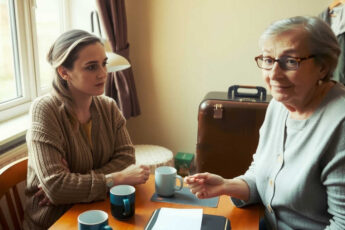
Lucy sank onto the edge of the bed, her gaze softening. Charlie, Im not trying to meddle, but with injuries like yours youll need help. Im not asking you to move in, just to consider a temporary stay until youre steadier. I live alone; my husband died years ago, and I have no children.
Her words hit me like a cold splash of rain. The idea of staying with a stranger felt odd, yet Id grown used to relying on no one but myself.
Why the hesitation? she asked, brow furrowed.
Its uncomfortable and I dont want to be a burden, I murmured.
Stop dawdling, Charlie. An electric wheelchair in a house without a lift or ramp isnt ideal. So, will you come over? she demanded, her tone still brusque but less hostile.
I weighed the options. On one hand, moving into a house I didnt know would be a massive adjustment; on the other, Lucy had already been looking after me in her own wayreminding me to close the window, to eat cheese for calcium, to keep my spirits up. She was the only person who seemed ready to step in.
Ill stay, I finally said, but I have no money. My scholarship wont start for a while.
Lucys eyes narrowed, then softened. Charlie, are you out of your mind? Do you think Im offering you a roof for free because Im rich? Im sorry you think that, she snapped, echoing the harshness shed used on that first day.
I didnt mean to offend, I began, but stopped midway.
She took a breath, then softened further. Im not offended. Come with me to the ward; you can sit there until my shift ends. Then well go.
Lucy lived in a tidy cottage with narrow windows, two cosy rooms, one of which I would occupy. The first days I was shy, rarely leaving my room, wary of bothering my host. She called me out of my shell.
Youre not a guest, Charlie. Ask for what you need, she said bluntly.
And I liked it. Snow piled outside, the crackle of logs in the stove, the scent of a hearty steweverything reminded me of the home I never truly had. The wheelchair and then the crutches stayed beside the bed; soon Id be heading back to the city.
After a routine checkup, Lucy and I walked side by side, chatting about exams and the lost months.
Youll need to sit those exams, Charlie. Youve missed too much already, she warned. And dont push yourself; the doctor said to keep the load off your legs.
Weeks passed and our bond deepened. I found myself reluctant to leave the snug cottage and the woman whod become, in many ways, a second mother to this orphan. I never quite found the courage to admit that, even to myself.
The next morning I packed my things. While hunting for my phone charger, I froze. Lucy stood at my doorway, tears glistening.
Will you stay, Charlie? she whispered, voice trembling. What will I do without you?
I embraced her, holding her tightly. Ill stay, I said, and I meant it.
Years later, at my wedding, Lucy sat beside my brides mother, a place of honour at the table. A year after that, she held my newborn granddaughternamed after herin the maternity ward, her eyes shining with pride.
Looking back, I realise that the world can be a bleak, windblown place, but kindness can appear where you least expect it. I learned that pride should never keep you from accepting a helping hand, and that sometimes the most unlikely people become the family you choose.
*Lesson learned: never let stubbornness block the path to genuine support; humility opens the door to a richer, fuller life.*Later that evening, a soft rain fell over the quiet garden, and the scent of wet earth rose from the flowerbeds. I lingered by the window, watching the droplets race down the glass, when Lucy appeared at the doorway, a warm coat draped over her shoulders and a ginger cat curled around her ankles. The cat blinked at me, its amber eyes reflecting the faint glow of the streetlights.
Do you remember the story about the fire? she asked, her voice no longer sharp but mellow, a hint of nostalgia threading through it.
I nodded, feeling the old, painful images surface for a moment before fading. She reached out, rubbing the cats head, and then placed a small, handwritten note on the sill.
The paper read: *When the world feels too heavy, let someone else share the load. There is always a place where you belong.*.
I slipped the note into my pocket, feeling a strange comfort settle in my chest. The rain softened, and the garden outside seemed to awaken, tiny green shoots pushing through the soil, stubborn yet hopeful.
The next morning, after my legs had grown strong enough to bear weight again, I left the cottage with a small suitcase, a promise, and a heart that no longer feared dependence. Lucy stood at the gate, waving, the cat perched proudly on her shoulder, and a smile that reached her eyes.
Dont be a stranger, she called, her tone now gentle but firm, as if she were handing me the reins of a new journey.
I turned the key to the front door of the hospital, feeling the cool metal under my palm, and stepped onto the wet pavement. The city bustled around me, but the noise seemed distant, as if muffled by the steady beat of my own resolve.
A week later, I returned to StMarysnot as a patient, but as a volunteer. I found a young girl perched by the same window I had once watched, her wheelchair idling as she traced patterns on the glass with her finger. She smiled when she saw me, and I recognized the same mix of curiosity and wariness I once carried.
Want to hear a story? I asked, pulling a battered notebook from my bag.
She nodded, and we settled into the gardens bench, the rain having ceased, leaving a bright arc of sunlight to filter through the leaves. As I began to speak, the orange cat leapt onto the rail, purring, while Lucys voice rose from the kitchen, calling out a pot of soup that smelled of rosemary and thyme.
In that moment, the courtyard became a bridge between past and future, between solitude and belonging. I realized that the true home I had been searching for was never a building or an address, but the moments when we let others in, and the echo of our own compassion returned to us tenfold.
The garden, the rain, the cat, and Lucyall wove together into a tapestry that reminded me that even the most broken paths can lead to places of unexpected warmth. And as the afternoon sun painted the courtyard gold, I felt, for the first time in years, that I was exactly where I was meant to be.