Emma has been standing in line for forty minutes. In front of her, four people; behind her, six more. The paperwork for the housing benefit was sorted in advance, neatly arranged in a clear plastic folder.
She’s scrolling through her phone when she hears a voice.
“Emma? Emma, is that you?”
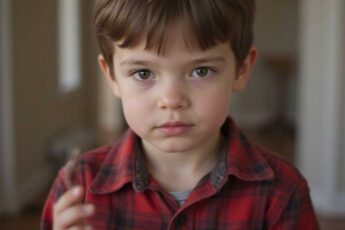
She looks up. Tom is standing at the next counter, slightly sideways, as if he’s just turned by chance. He’s wearing a crumpled jacket, crookedly fastened. Under his left eye a yellowish bruise spreads—fading, but still visible.
“Hello,” Emma says flatly.
“What a coincidence!” Tom smiles broadly, like an actor. “Two years, eh? Time flies.”
He steps closer, stands right next to her as if they’d arranged it. Emma doesn’t step back, but she doesn’t move toward him either. She looks at him calmly, without expression.
“You look well,” he says. “Really. Something’s different. Different haircut?”
“Same one,” Emma replies.
“No, definitely something else. Have you lost weight? Or got a tan?” He squints, studying her, and Emma notices the corner of his mouth twitch.
Behind the forced cheerfulness there’s something else. Bewilderment. Or a habit of hiding awkwardness behind words.
“Remember that trip to Bath?” Tom says. “Jack dropped his ice cream on his shoe, and Lily comforted him. She was funny. Three years old, right?”
“Four,” Emma corrects.
“Four, right. Good times.”
Emma says nothing. The line moves forward by one person. She takes a step ahead.
“How are you anyway?” Tom asks, leaning slightly closer. “Managing?”
“Managing.”
“How are the kids?”
“Growing up.”
“Jack’s in school?”
“Yes.”
Tom is quiet for a moment. Then he shuffles his feet, shifting his weight.
“Well then. Good to see you. If you ever—”
“I have to go,” Emma says. “My window’s free.”
She turns away and walks to the counter. Pulls out the documents, places them in front of the clerk. Her hands move steadily, out of habit.
When she looks around ten minutes later, Tom is gone.
—-
“Hello,” Emma says, taking off her shoes.
“Hello!” Lily looks up. “Did you buy the glaze?”
“I did. Two jars. Turquoise and terracotta.”
“Can I try some?”
“Tomorrow. It needs to sit today.”
Jack doesn’t look up. Emma walks over and puts a hand on the top of his head. He leans back slightly, a familiar gesture.
“Hungry?” she asks.
“A bit.”
“I’ll heat up the stew. Fifteen minutes.”
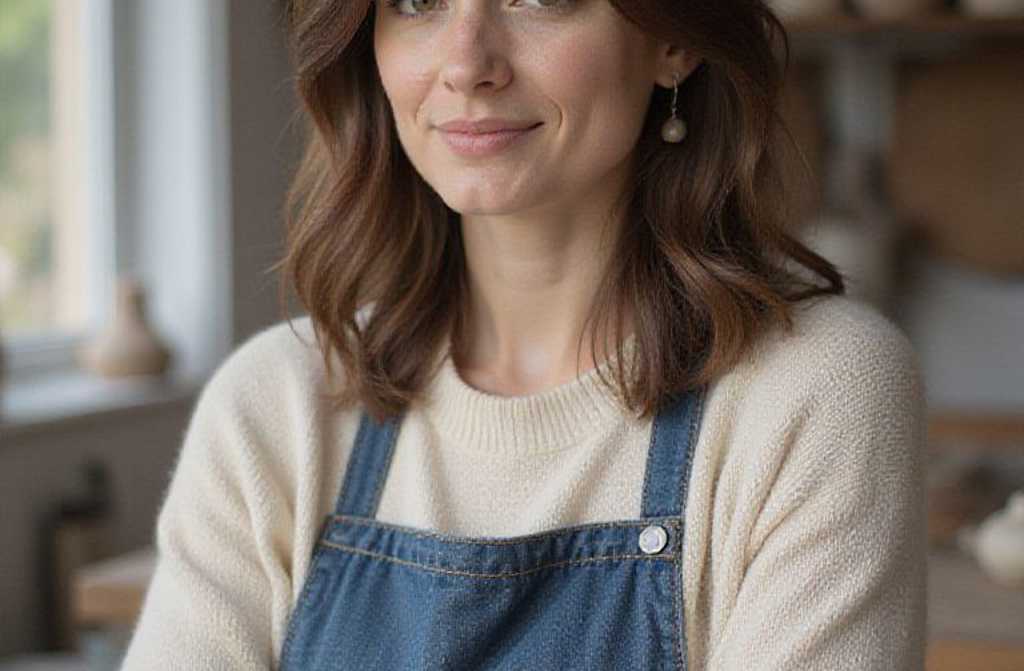
The evening passes quietly. The children eat dinner, Lily falls asleep early, Jack goes to his room. Emma sits down at her work table, where four unfinished mugs sit—an order from a café on Portobello Road. The clay is damp, obedient. She picks up a loop tool and starts trimming.
But her fingers move absently.
She sets the tool down. Closes her eyes. Tom is in front of her—rumpled, bruised, with that ridiculous smile. Two years ago he packed his gym bag, said “I need some time alone,” and closed the door behind him.
Emma didn’t cry then. She washed the dishes, put the children to bed, and sat at the pottery wheel until four in the morning. The next day she dropped Jack at school and signed up for a kiln-firing course.
Now she can’t sleep again. But the reason is different. Not pain. Not longing. Something like wariness. An instinct that tells her: he will come back.
—-
The next morning the doorbell rings. Sarah is on the doorstep with a bag, a corner of foil sticking out, and a box of white clay.
“I brought apple charlotte and two kilos of earthenware,” she says instead of a greeting.
“Come in,” Emma steps aside.
Sarah walks into the kitchen, puts the bag on the table, and sits on a stool. She always sits down immediately, without ceremony.
“Right, tell me,” Sarah says. “You sounded strange on the phone.”
“I saw Tom yesterday. At the Jobcentre.”
Sarah freezes, knife in hand.
“And?”
“He was standing in line. Bruise under his eye. Crumpled jacket. Smiling like everything was fine.”
“Classic,” Sarah cuts a slice of charlotte. “What did he say?”
“He talked about Bath. Said I looked well. Asked about the kids.”
“And you?”
“I gave short answers. Left when my turn came.”
Sarah is quiet. Then she puts down the knife.
“Emma, I’ll be blunt. You know I’m always blunt.”
“I know.”
“Two years ago that man got up and left. Not because you had a fight. Not because something terrible happened. He left because he got bored. Or cramped. Or decided he deserved something better.”
“Sarah—”
“Hold on. In those two years you built your orders from nothing. You made a name for yourself. Three cafés use your pottery. Your kids are fed, clothed, in a good school. You did all that yourself. And now he’s standing in line with a bruise, talking about ice cream in Bath.”
Emma says nothing.
“He’ll try to come back,” Sarah says. “It’s a matter of days. The bruise, the messy clothes, the pitiful look—it’s all setup. First pity, then ‘I’ve changed,’ then ‘let’s try again.’”
“Maybe I’m wrong,” Emma says quietly. “Maybe he really—”
“No,” Sarah shakes her head. “Emma, you’re not wrong. You’re just kind. That’s different.”
—-
The message comes two days later. Short, polite: “Emma, can we meet? Talk. Nothing serious, just talk.”
Emma reads it sitting at the pottery wheel. Clay spins under her fingers, soft and obedient. She turns off the wheel. Wipes her hands on a towel. Types: “Park by the school. Tomorrow at noon.”
He arrives without the bruise. Clean-shaven, in a tidy shirt. Sits on the bench next to her, leaving half a metre between them.
“Thanks for agreeing,” he says.
“I’m listening.”
“When I left…” He pauses, searching for words. “The first few months I felt free. You know that feeling—when you can do whatever you want, whenever you want. No obligations.”
“And then the freedom ended. All that was left was emptiness.”
Emma stares straight ahead.
“I miss Jack,” Tom continues. “And Lily. And you. And the house. The evenings when you were working on pottery and I was reading to the kids. The smell of clay in the kitchen.”
“Tom, what are you getting at?”
“Can I come over? Just have dinner with the children. Once. I’m not asking for anything. Just to see them.”
Emma stays silent for a long time. A minute, maybe two.
“All right,” she says finally. “One dinner. You’re a guest. Nothing more.”
“Of course.”
“That means you come, eat, talk to the kids, and leave. No talk about the past. No promises. Nothing.”
“I understand.”
“Saturday. Six o’clock.”
She stands and walks away without looking back.
At home she tells the children.
“Jack, Lily. Your father is coming for dinner on Saturday.”
Lily looks up. “Dad?”
“Yes.”
“For long?”
“Just dinner. He’ll eat with us and leave.”
Jack is quiet. Then he asks, “Why?”
Emma sits down beside him.
“He asked. He wants to see you.”
“I agreed. Once.”
Jack nods. His face is serious, grown-up beyond his years.
—-
Saturday arrives quickly. Emma cooks chicken with potatoes—simple, no fuss. Sets the table for four. Takes out plates—her own, handmade, with uneven edges and turquoise glaze.
Tom arrives at exactly six. With a bag—juice, sweets, a colouring book for Lily.
“Hello,” he says from the doorway.
“Come in. Take off your shoes.”
Lily runs out first. Stops a step away, studying him.
“Hello, Lily,” Tom crouches down.
“You have a beard,” she says.
“Yeah. Grew it a bit.”
“Is it prickly?”
“A little,” he smiles.
Jack comes out of his room. Nods. Sits at the table.
Dinner passes peacefully. Tom asks about school, about drawing, about the plasticine animals. Lily tells him about her friend Sophie and how they built a den out of blankets. Jack answers briefly but without hostility.
Emma says almost nothing. She serves food, clears plates, pours tea.
When the children go to their room, Tom stays at the table.
“Nice plates,” he says, running a finger along the rim. “Did you make them?”
“Yes.”
“Talented.”
“Thanks.”
He pauses. Then says, “Emma, I still love you.”
Emma puts her cup down. Slowly, carefully.
“Tom.”
“Wait, let me say this. I know I walked out. I know it was a lousy thing to do. But I’ve changed. Really changed. I’ve thought about you every day.”
“Every day for two years is seven hundred and thirty days,” Emma says. “And not one phone call.”
“I was ashamed.”
“Shame isn’t an explanation. It’s an excuse.”
He reaches out, tries to touch her hand. Emma pulls her hand away—gently but firmly.
“No,” she says.
“Emma…”
“You were a guest. The terms were clear. Dinner is over.”
Tom looks at her. Something flickers in his eyes—hurt, surprise, maybe anger.
“Fine,” he says. “I understand.”
He stands, puts on his jacket, zips it. Turns at the door.
“Can I come again?”
“I’ll think about it.”
The door closes. Emma clears the remaining dishes, washes them, puts them away. Then she sits at the wheel and works until midnight.
—-
Four days later Tom comes again. Without warning. With a bouquet—white chrysanthemums wrapped in kraft paper.
Emma opens the door and sees the flowers before his face.
“I didn’t invite you,” she says.
“I know. But I had to come. Emma, I want to come back.”
She stands in the doorway, not letting him in.
“Come back—to what?”
“Home. To you, to the kids.”
“This isn’t your home, Tom. Not for two years.”
“But they’re my children.”
“The children, yes. The home—no.”
He shifts his weight. The flowers sway in his hand.
“Emma, give me a chance. A real chance. I’ll get a job, I’ll help. I’ll be here. Everything will be like before.”
“I don’t want ‘like before,’” Emma says. “‘Before’ was me alone with two kids and a husband who stared at the ceiling dreaming of freedom. ‘Before’ was me waiting. I don’t wait anymore.”
“You’re angry.”
“No. I’m stating facts. Big difference.”
“You won’t even let me into the flat.”
“Because you came without an invitation. With flowers. With a ready-made plan. You didn’t even ask if I wanted this.”
“And you don’t?”
“No,” Emma says. “I don’t.”
Tom lowers the flowers.
“I don’t believe you,” he says. “I don’t believe two years can kill that. It doesn’t happen.”
“It does. When a person walks out without a word, and you’re left with two kids, an empty fridge, and three thousand pounds on your card—it does. When you learn to make pottery at night because there’s no time during the day—it does. When Lily asks ‘where’s Dad?’ and you don’t know what to say—it does. Everything passes, Tom.”
“I made a mistake.”
“Yes. You did.”
“And you won’t forgive me?”
Emma looks at him—straight on, without anger, without pity.
“I forgave you a long time ago. Forgiving and coming back are different things. I forgave so I could move on. But there’s nowhere to come back to. The home you left doesn’t exist anymore. There’s another one. Mine.”
Tom stands silent. The bouquet hangs by his side.
“You can see the children,” Emma says. “By arrangement. On weekends. If they want. But not here. And not like this.”
“Like what?”
“Not with flowers and promises. Not with trying to reclaim what you destroyed. Honestly. Simply. As a father who comes for his children—and leaves.”
“That’s cruel,” he says quietly.
“No, Tom. Cruel is leaving without explanation. Cruel is two years of silence. Cruel is showing up with a bruise and talking about Bath when your daughter has forgotten your voice. That’s cruel. What I’m doing is order.”
He stands for another half-minute. Then he holds out the flowers.
“Take them, at least. Throw them away if you want.”
Emma doesn’t take them.
“Go,” she says. “Calmly, no scene. When you’re ready to talk about the kids, text me. I’ll reply.”
Tom nods. Turns. Walks down the stairs, holding the bouquet in a lowered hand.
Emma closes the door. Locks it. Stands a second with her back against it.
Then she straightens up, goes to the kitchen, and turns on the kettle.
—-
The phone rings an hour later. Sarah.
“So?”
“He came. With flowers. Asked to come back.”
“You said no.”
“Yes.”
“How is he?”
“Confused. Hurt. But he left quietly.”
“Well done,” Sarah says. “Seriously.”
“I’m not well done. I just know what I don’t want.”
“That’s exactly ‘well done.’ Most people don’t know. Or they know but are afraid to say it.”
“I wasn’t afraid,” Emma says. “I was sure. For the first time in all this—completely sure.”
“Drink some tea. Go to bed early. Tomorrow will be a normal day.”
“Yes. Normal. That’s good.”
—-
Morning comes without anxiety. Light lies on the floor in slanting stripes. Emma gets up at seven, as always, and goes to the kitchen.
She takes out flour, eggs, cottage cheese. Mixes the batter for cheese pancakes—with familiar, exact movements. The pan heats up, oil sizzles.
Lily appears first—barefoot, carrying a teddy bear.
“Cheese pancakes?” she asks.
“Cheese pancakes.”
“With jam?”
“With jam.”
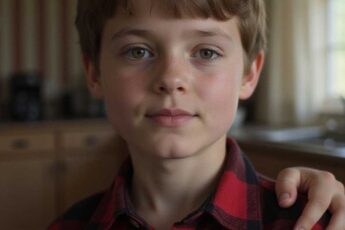
Jack comes out five minutes later. Sits at the table, pulls his plate towards him. The plate is a warm sandy colour—Emma made it last month, especially for breakfasts.
They eat in silence. Then Jack puts down his fork.
“Will he come again?” he asks.
Emma looks at her son. He’s ten, but sometimes he seems twenty.
“I don’t know,” she says. “Maybe he’ll see you on weekends, if you want.”
“I don’t. I have nothing to say to him.”
“Why?”
“Because he wanted to bring back what was. And what was is gone. There’s what is now. And now is better.”
Jack nods. Pauses.
“Your plates are nice,” he says.
Emma smiles.
“Thanks, Jack.”
“Seriously. I told kids at school. They wanted to see them.”
“I’ll show them. I’ll give you one to take—the one with the birch design.”
“Can I have the blue one? With the crack on the side?”
“Yes. Just be careful.”
Lily looks up from her plate.
“Can I have one too?”
“I’ll make you a special one. What do you want?”
“A cat.”
“Done.”
After breakfast Emma checks her email. Two new orders—a set of bowls for a tea shop and a series of decorative plates for a restaurant on Mayfair Street. She notes the sizes, calculates the glaze, sketches ideas in her notebook.
Her phone lies nearby. No message from Tom. And Emma knows there won’t be one. Not today. Maybe tomorrow. Maybe in a week. But whatever he writes—the answer already exists. Clear, final, said out loud.
She turns on the wheel. Puts a lump of clay in the centre. Wets her hands.
The clay yields, as always. Soft, obedient. The walls of the bowl rise under her fingers—even, thin, alive.
Lily peeks into the room.
“Pretty,” she says.
“This will be a bowl. For tea.”
“Can I try?”
“Sit next to me. Here’s a piece.”
Lily sits on a low stool, takes a lump of clay and begins to knead it with her fingers. Focused, biting her lip.
Emma works. Light falls on the table, on her hands, on the damp clay. Everything is in its place. The plates stand in the drying rack—the very ones they ate from. The sketches lie in the notebook. The orders wait their turn.
She has nothing to prove. Not to him, not to herself. The life she built over these two years speaks for itself—quietly, confidently, without extra words.
She isn’t waiting for anyone anymore. And that’s not loneliness. It’s a steady, calm knowledge: everything she needs is already here.
The clay spins. The bowl takes shape.
Emma works.